




A door casing is the timber frame that lines a wall opening and carries the door, with a rebate that forms a built-in...
Latest posts
-
 How to Install a Door Casing: A Step-by-Step GuideRead more
-
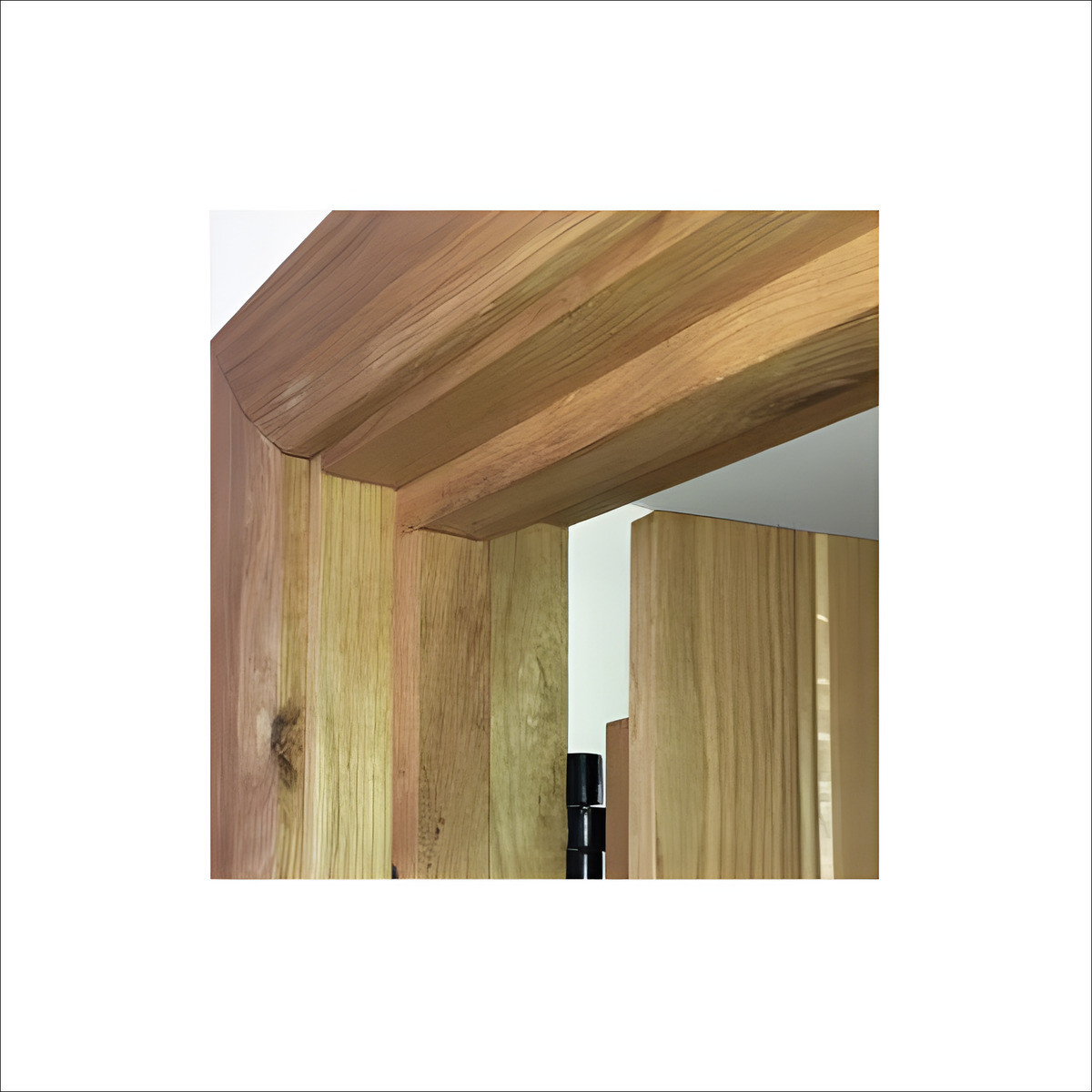 How to Install a Door Lining: A Step-by-Step GuideRead more
A door lining is the timber frame that lines the opening in a wall and carries the door. Get it plumb, square and...
-
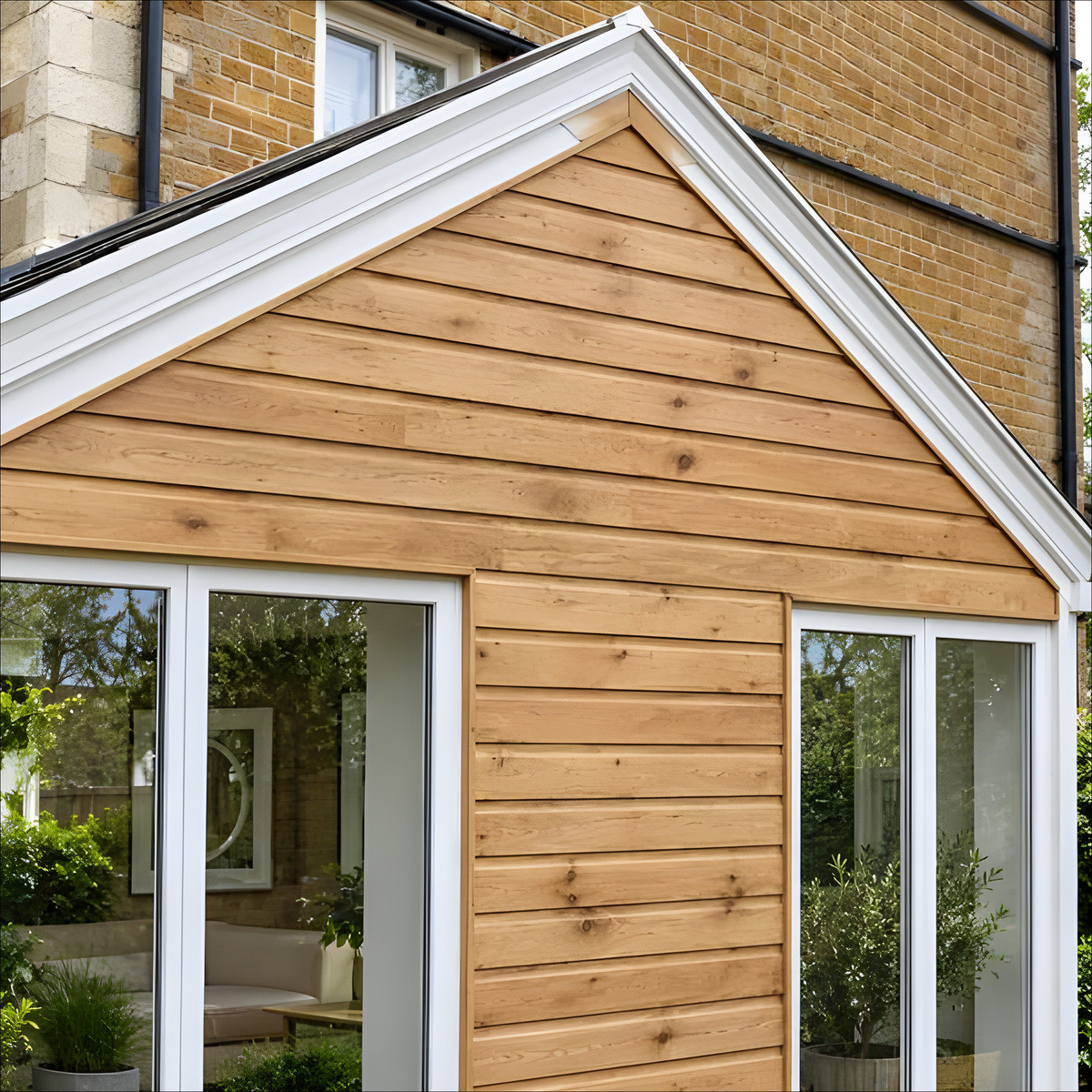 How to Install Timber Cladding Outside and IndoorsRead more
Outdoor and indoor timber cladding are related jobs with different rules. Outside you need a drained, ventilated...
-
 How to hang a wooden gate: posts, hinges and latchesRead more
Hanging a wooden gate is a sequence, not a single fitting. The posts have to be solid and plumb, the hinges have to...
-
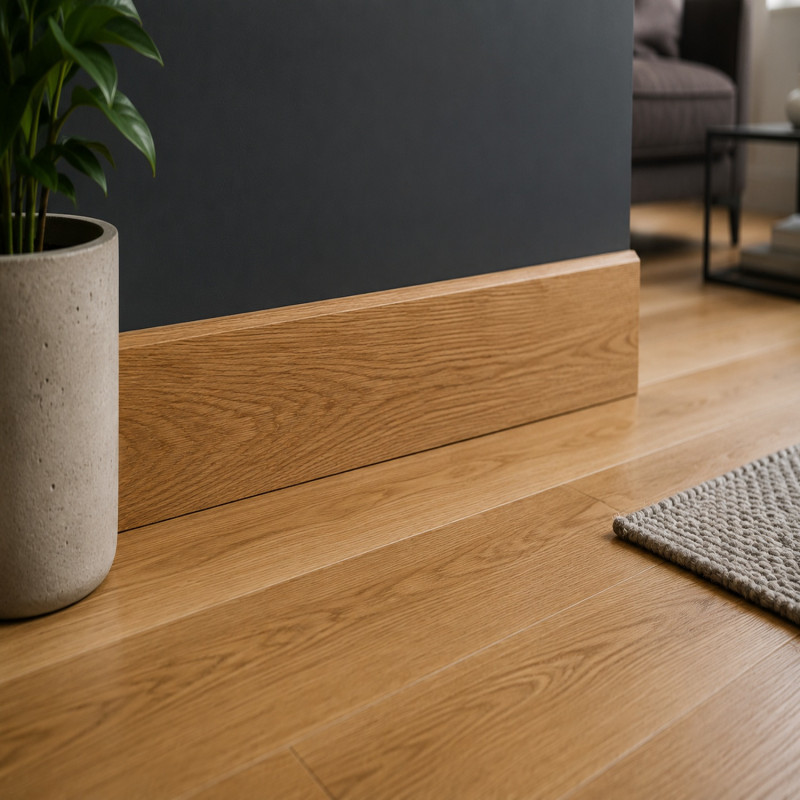 How to Install Skirting Boards: A Step-by-Step GuideRead more
Skirting boards finish a room. They cover the gap where the wall meets the floor, protect the plaster from knocks and...
-
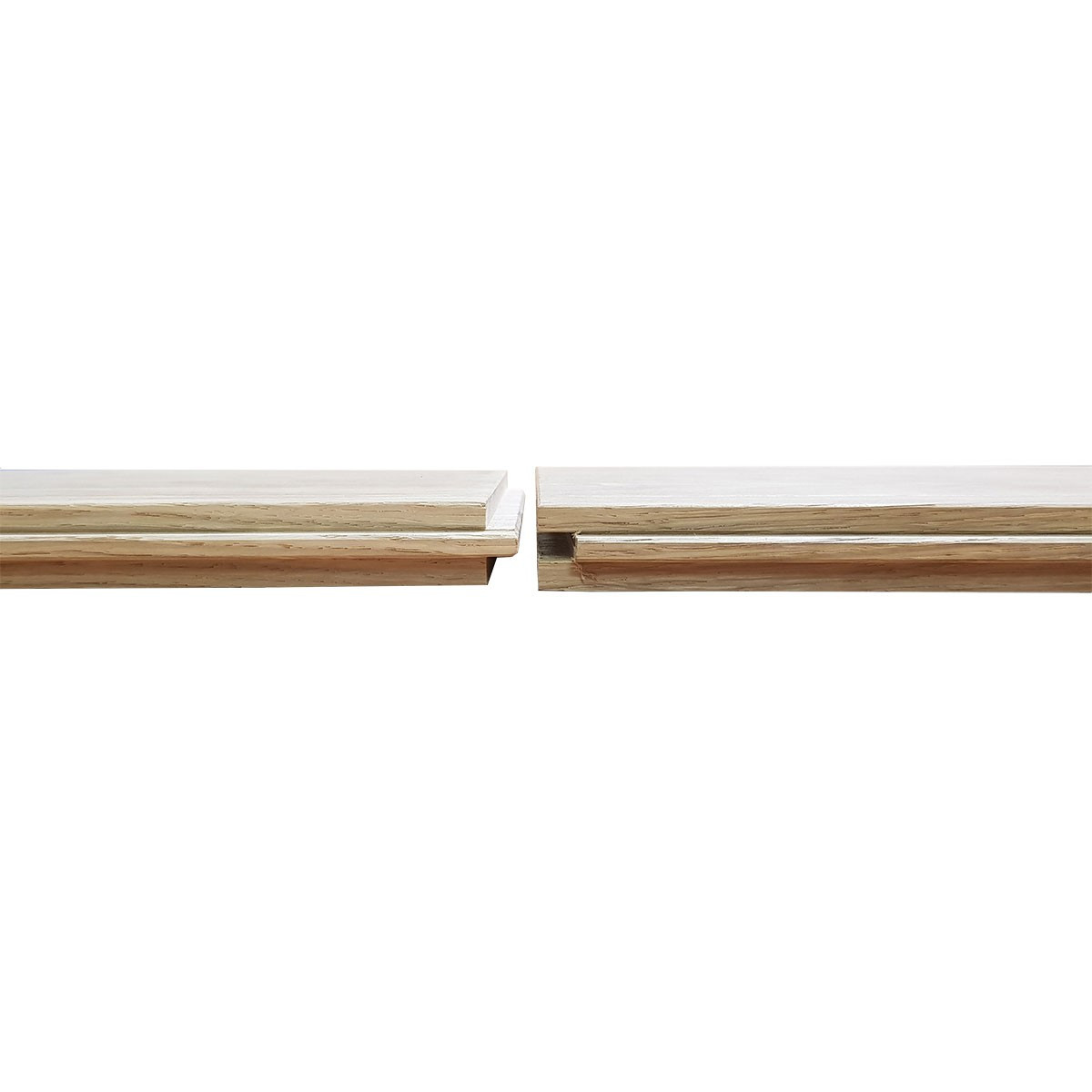 How to Lay a Solid Wood Floor: A Step-by-Step GuideRead more
A solid wood floor is one of the few things in a home that genuinely gets better with age. Laying one is a very...
-
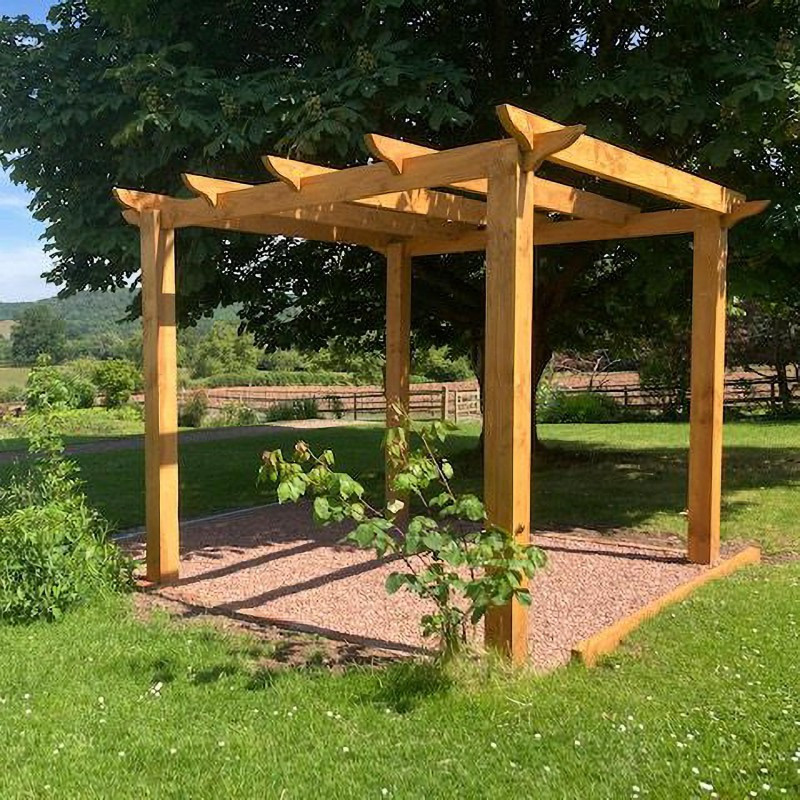 How to Plan a Pergola: Sizes, Post Spacing and Planning PermissionRead more
How to plan a pergola: choose pergola sizes, post spacing and supports, and check pergola planning permission rules...
-
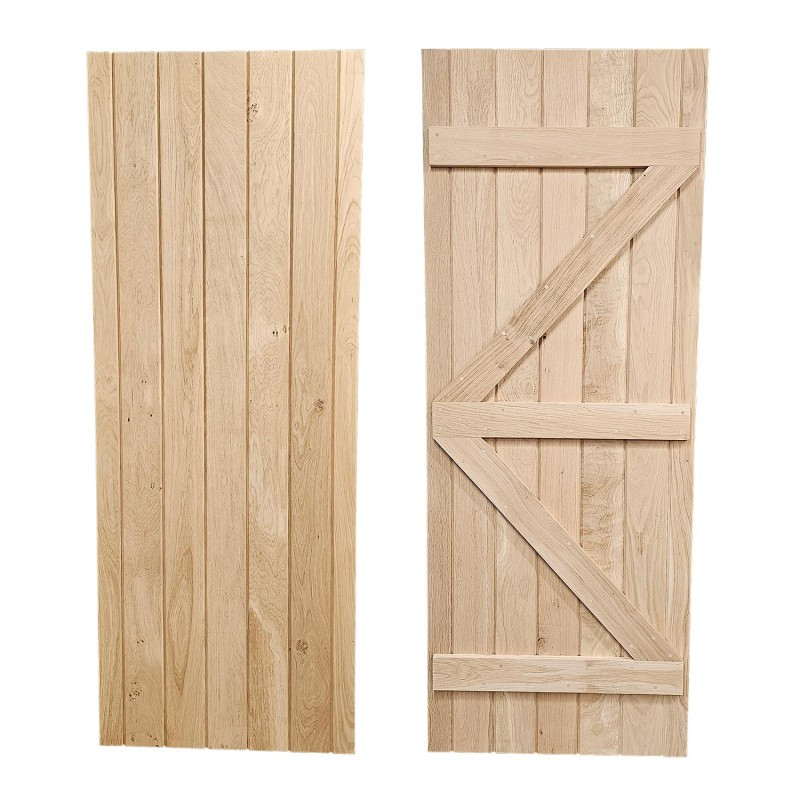 How to Measure for a Bespoke Oak DoorRead more
Learn how to measure for a door step by step, then design made to measure oak doors in our configurator. Sizes,...
-
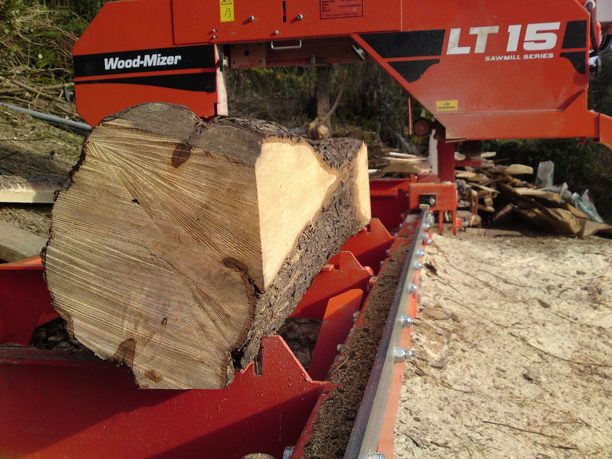 FSC® vs PEFC™ Certifications - What Do They Mean?Read more
When you’re choosing timber for your next project, you may notice products labelled with FSC® or PEFC™ certification....
-
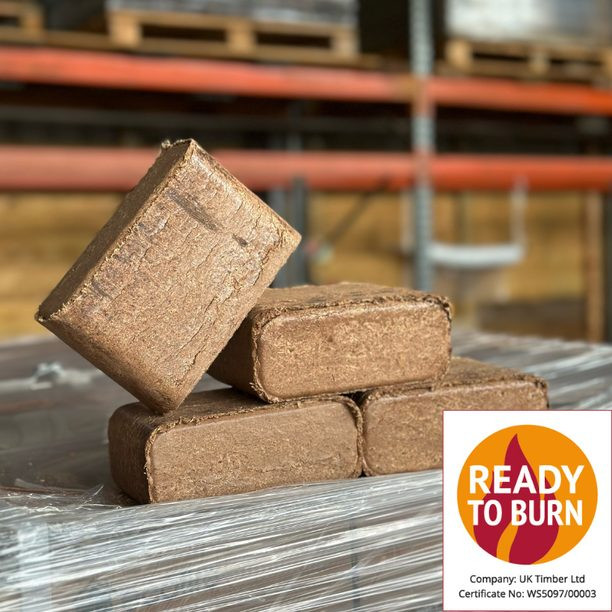 What are sawdust briquettes and are they the right product for your needs?Read more
Discover what Sawdust Briquettes are, how they compare to traditional firewood and whether they’re the right fuel for...
Blog categories
Search in blog
What are sawdust briquettes and are they the right product for your needs?
If you’re looking for a cost effective and eco-friendly way to heat your home, our sawdust briquettes are perfect for this. As more households switch to wood-burning and multi-fuel stoves, these compact briquettes have become an increasingly popular alternative to traditional firewood.
In this guide, we’ll explain everything you need to know, from how these sawdust briquettes are made, their heat output to their environmental benefits and the type of appliances they’re suitable for. By the end, you’ll have a much better understanding of whether sawdust briquettes are the right timber fuel for your needs.
What are sawdust briquettes?
Sawdust briquettes are dense blocks of compressed wood made from clean, untreated sawdust and wood shavings. Rather than allowing these by-products to go to waste, they are compressed under extremely high pressure to form solid fuel blocks.
Unlike some manufactured fuels, quality sawdust briquettes contain no chemical additives, binders or glues. The natural lignin found within the wood acts as a binding agent during compression, creating a durable product that burns efficiently and consistently.
Because they are manufactured using compressed sawdust, briquettes have a very low moisture content compared to many traditional logs. This allows them to burn hotter, produce less smoke and leave behind significantly less ash.
Why are sawdust briquettes becoming so popular?
With rising energy costs and increasing awareness of sustainable heating options, more homeowners are choosing sawdust briquettes over traditional fuels.
Some of the main reasons include:
- High heat output
- Long, consistent burn times
- Low moisture content
- Easy to stack and store
- Less smoke and soot
- Reduced ash production
- More environmentally friendly use of timber by-products
They’re particularly popular for homeowners who regularly use:
- Log burners
- Wood-burning stoves
- Multi-fuel stoves
- Open fires (where suitable)
- Outdoor fire pits
- BBQs (select briquettes)
How are sawdust briquettes made?
One of the biggest misconceptions is that briquettes are made using adhesives or chemicals.
High-quality sawdust briquettes are produced by collecting dry sawdust during timber processing. The sawdust is dried to an optimal moisture level before being compressed under extremely high pressure.
This manufacturing process not only creates an efficient fuel but also helps make use of timber that might otherwise go unused, reducing waste and supporting a more sustainable approach to wood fuel.
How long do sawdust briquettes burn?
One of the biggest advantages of sawdust briquettes is their excellent burn time.
Because they're much denser than many traditional logs, they release heat steadily over a longer period.
The exact burn time depends on factors including:
- Stove efficiency
- Airflow settings
- Appliance size
- Number of briquettes being burned
Many users find they require fewer refuels compared to standard firewood, making briquettes a convenient option for keeping a room warm throughout the evening.
Do sawdust briquettes produce more heat than firewood?
Thanks to their high density and low moisture content, sawdust briquettes produce an impressive amount of heat for their size.
Wet or poorly seasoned logs waste energy evaporating moisture before producing usable heat. In contrast, premium briquettes are manufactured with low moisture levels, allowing more of their energy to be converted into heat.
This means:
- Faster heat output
- Cleaner combustion
- Better fuel efficiency
- Less wasted energy
Are sawdust briquettes easy to store?
Yes.
One reason homeowners choose briquettes is their compact shape.
Compared to traditional logs they are:
- Easier to stack
- Cleaner to handle
- Less messy
- More space efficient
To maintain their quality and low moisture content, store briquettes somewhere dry with good ventilation and keep them off the ground where possible.
Are sawdust briquettes better for the environment?
For many households looking to reduce waste, sawdust briquettes are an excellent option.
Rather than requiring additional trees to be processed specifically for fuel, briquettes make use of wood residues produced during timber manufacturing.
Other environmental benefits include:
- Lower moisture content means more efficient burning
- Reduced smoke emissions compared to wet wood
- Less ash to dispose of
- Better use of timber by-products that might otherwise be discarded
- Cleaner, more efficient combustion
Choosing quality timber fuels can help reduce unnecessary waste while making the most of every piece of timber produced.
Are sawdust briquettes better than traditional firewood?
If you're looking for:
- High heat output
- Consistent burn times
- Easy storage
- Cleaner burning fuel
- Less ash
- Convenient handling
then sawdust briquettes could be an excellent choice!
However, many homeowners choose to keep both briquettes and kiln-dried logs, using each depending on the situation.
Save up to £50 off sawdust briquettes during our Summer Fuel Sale!
If you’re looking for an efficient, eco-friendly way to heat your home, now is the perfect time to stock up. Until 31st July, you can enjoy up to £50 off selected sawdust briquettes and get to beat the seasonal rush and price rises before the winter months!
Browse our full range of timber fuels and discover why homeowners across the country trust UK Timber for reliable, high-quality fuel delivered nationwide, with free delivery on fuel orders over £99.
Related posts
-
 How to Build A Raised Garden Bed: A Beginner's Guide
Read more
-
FSC® vs PEFC™ Certifications - What Do They Mean?
Read more
-
How to Measure for a Bespoke Oak Door
Read more
-
How to Plan a Pergola: Sizes, Post Spacing and Planning Permission
Read more
-
How to Lay a Solid Wood Floor: A Step-by-Step Guide
Read more