




A solid oak mantel beam is one of the simplest ways to give a fireplace a focal point, whether it sits above a wood...
Latest posts
-
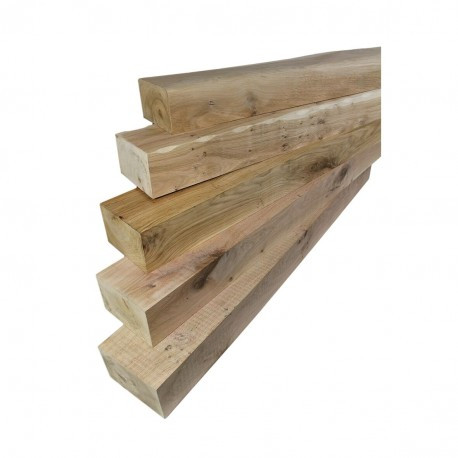 How to Install an Oak Mantel BeamRead more
-
 How to Build a Railway Sleeper Retaining WallRead more
A railway sleeper retaining wall is one of the simplest ways to level a sloping garden, hold back a bank or make a...
-
 How to Install a Door Casing: A Step-by-Step GuideRead more
A door casing is the timber frame that lines a wall opening and carries the door, with a rebate that forms a built-in...
-
 How to Install a Door Lining: A Step-by-Step GuideRead more
A door lining is the timber frame that lines the opening in a wall and carries the door. Get it plumb, square and...
-
 How to Install Timber Cladding Outside and IndoorsRead more
Outdoor and indoor timber cladding are related jobs with different rules. Outside you need a drained, ventilated...
-
 How to hang a wooden gate: posts, hinges and latchesRead more
Hanging a wooden gate is a sequence, not a single fitting. The posts have to be solid and plumb, the hinges have to...
-
 How to Install Skirting Boards: A Step-by-Step GuideRead more
Skirting boards finish a room. They cover the gap where the wall meets the floor, protect the plaster from knocks and...
-
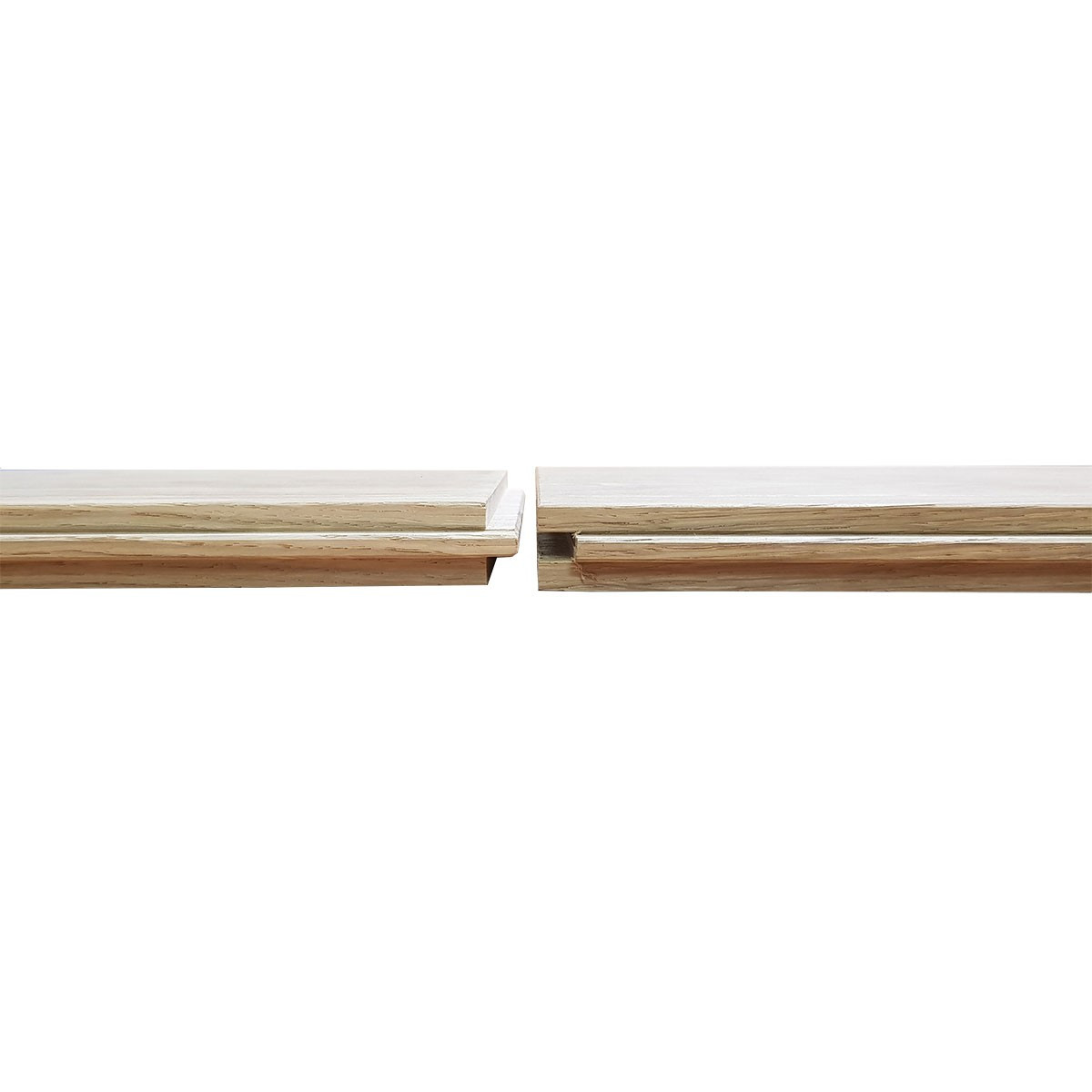 How to Lay a Solid Wood Floor: A Step-by-Step GuideRead more
A solid wood floor is one of the few things in a home that genuinely gets better with age. Laying one is a very...
-
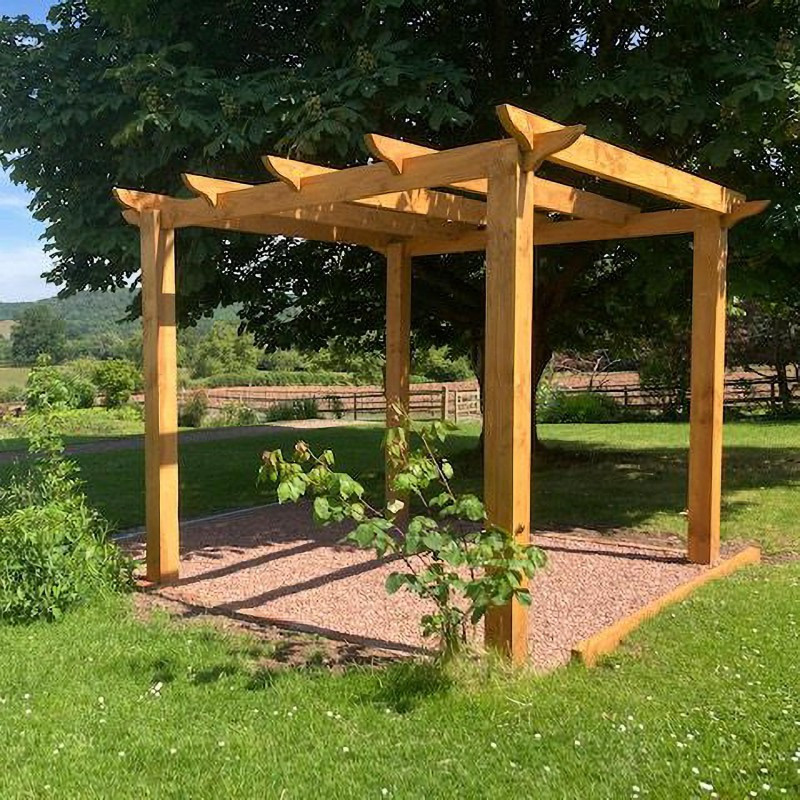 How to Plan a Pergola: Sizes, Post Spacing and Planning PermissionRead more
How to plan a pergola: choose pergola sizes, post spacing and supports, and check pergola planning permission rules...
-
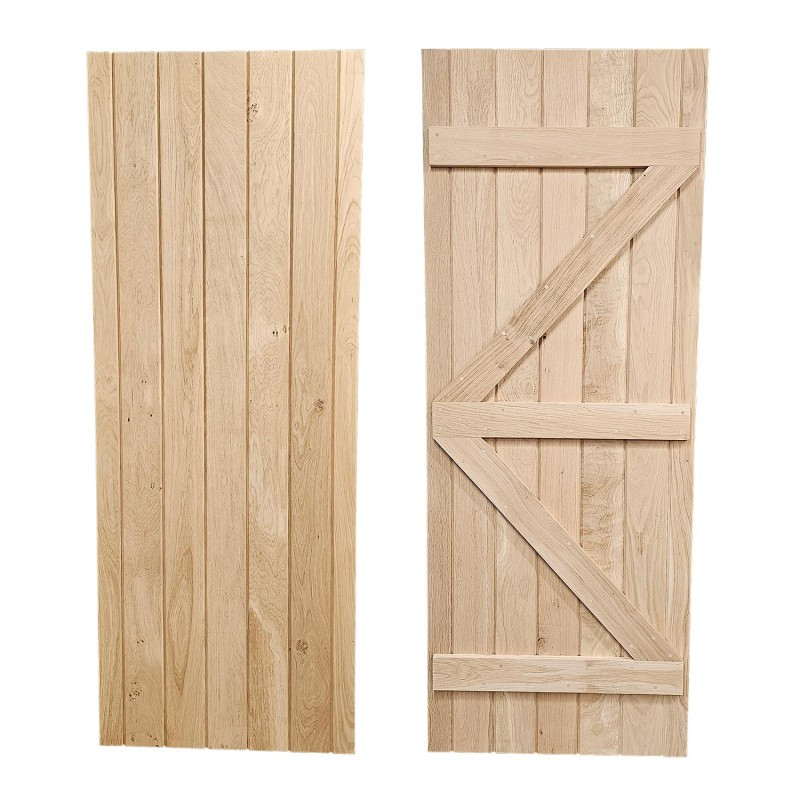 How to Measure for a Bespoke Oak DoorRead more
Learn how to measure for a door step by step, then design made to measure oak doors in our wooden door designer....
Blog categories
Search in blog
How to Install an Oak Mantel Beam
A solid oak mantel beam is one of the simplest ways to give a fireplace a focal point, whether it sits above a wood burner, an open fire or a fireplace with no fire at all. The beam is heavy and it sits close to a source of heat, so it pays to plan the fixing and the clearances before you drill. This guide covers choosing your mantel, keeping it a safe distance from the fire, the two main ways to fix it, and finishing it.
Choosing your oak mantel
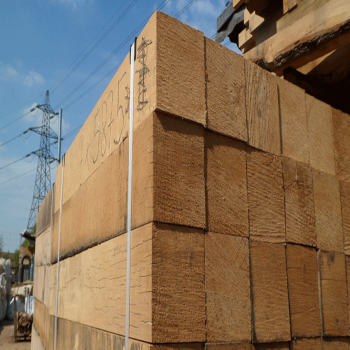
Our oak mantel pieces and oak beam mantels are made to order from partially seasoned oak. Each length has its own listing, from the 610mm Oak Mantel Piece For Fireplace Surrounds up to the 2440mm Oak Mantel Piece For Fireplace Surrounds, and you choose the section size and finish on the listing.
- Finish. Rough sawn, planed all round (PAR), PAR and chamfered, or distressed (adzed). Planed and distressed finishes reduce the section by about 6 mm, so a 225 x 125 mm beam finishes at around 219 x 119 mm. Allow for this when you plan the fixing.
- Character. Every mantel is unique and may show surface cracks, splits, knots and wane. Because the oak is only partially seasoned, these can increase as the beam acclimatises to your room. That is part of its character, not a fault.
- Oiled or untreated. Mantels are supplied untreated as standard. You can add our Oak Mantel Oiling Service or finish it yourself with Treatex hardwax oils.
- Not a floating shelf. Partially seasoned oak is likely to move, so our listings advise against using these mantels as floating shelves. Fix the beam firmly in place: directly into the brickwork, on our Solid Oak Corbels, or with a suitable alternative fixing system.
Safety first: keep it clear of the heat
Oak is a combustible material, so where the mantel goes matters as much as how it is fixed.
- Follow the appliance instructions. If the mantel is above a stove or fire, the appliance manufacturer's instructions state the minimum distance to combustible materials. Follow them, and if you can't find them, ask a HETAS registered installer (solid fuel) or a Gas Safe registered engineer (gas).
- Building Regulations (England). For solid fuel fires and stoves, Approved Document J says combustible material should be at least 200 mm from the inside surface of a flue or fireplace recess, and that metal fixings in contact with combustible material should be at least 50 mm from the inside surface of a flue. That is a distance from the inside of the flue or recess, not a set height above the stove. Wales, Scotland and Northern Ireland have their own guidance, so check locally.
- New stove or fire? Have it installed by a registered installer, and ask them to confirm where the mantel can go before you fix it.
Tools and materials
- Your oak mantel, and a pair of Solid Oak Corbels if you want visible supports
- Masonry fixings suitable for the weight of the beam and your wall, such as threaded steel rod and resin anchors, or heavy-duty coach screws and wall plugs
- Cable and pipe detector, tape measure, pencil and a long spirit level
- Drill with masonry and wood bits
- A helper: even a short oak beam is heavy
Step by step: how to install an oak mantel
1. Check the wall
Find out what the chimney breast is made of. Solid brick or block takes a direct fixing. Do not fix a heavy oak beam into plasterboard alone. If the board is on dabs over masonry, fix through it into the solid wall behind. On a timber stud wall, fix into the studs or into a reinforced timber backing fixed across them. If you cannot find a solid fixing, ask a competent installer before you drill. Use a detector to check for cables and pipes where you plan to drill.
2. Let the mantel settle and finish it first
Bring the mantel into the room where it will be fitted and, if you can, leave it there for a week or two before you fix it, supported so air can get to all faces. If you are oiling it yourself, oil all faces, including the back and the ends, and let the oil dry before the beam goes up. Follow the oil maker's instructions.
3. Mark the height and the level line
Decide on the height, keeping to the clearances above. Hold the mantel in place with a helper, check the overhang at each end looks even, then draw a level line on the wall for the underside of the beam.
4. Choose your fixing method
There are two common ways to fix an oak mantel:
- On oak corbels. Our Solid Oak Corbels are sold as a pair, 195 mm long, 75 mm wide and 125 mm deep, with made-to-measure sizes available from our sales team. The corbels carry the beam from below and give a traditional look. Fix them to solid masonry first with heavy-duty masonry fixings, set so the overhang at each end looks even, then sit the mantel on them and fix it down to the corbels.
- A hidden fixing into the brickwork. A common method is to set threaded steel rods into the solid masonry with a resin anchor, and into matching holes in the back of the beam, so nothing shows. Coach screws and wall plugs are another option where the wall and the weight allow. Choose the size, number and depth of the fixings to suit your beam and your wall. Any metal fixing must stay at least 50 mm from the inside surface of the flue. This is a firm brickwork fixing, which our listings allow; it is not the same as using the mantel as a floating shelf.
5. Drill and fix
Drill the wall and the mantel to suit your fixing, keeping the holes in line with your level line. Offer the beam up with your helper, check it is level along its length and tight to the wall, and fix it in place.
6. Make good and finish
Fill and paint around the fixings if needed. If your mantel was supplied untreated and you didn't oil it before fitting, oil it now, following the oil maker's instructions.
Tips for a better mantel
- Order the length to suit your chimney breast, not just the fire opening, and check the overhang with a cardboard template first.
- Remember the 6 mm reduction on planed and distressed finishes when you plan the fixing positions.
- Expect some movement and new surface checks as the oak settles. It adds character.
- Keep candles and ornaments away from any part of the mantel that gets hot.
Frequently asked questions
Can I use an oak mantel as a floating shelf?
No. Our mantels are cut from partially seasoned oak, which is likely to move, so we advise fixing them firmly in place: into the brickwork, on oak corbels or with a suitable alternative fixing system. A hidden rod set firmly into solid masonry is a brickwork fixing, not a floating shelf.
How far above a wood burner should a mantel be?
Follow the stove manufacturer's minimum distance to combustible materials. For solid fuel in England, Approved Document J also says combustible material should be at least 200 mm from the inside surface of a flue or fireplace recess. That is a distance from the inside of the flue or recess, not a set height above the stove.
Will my oak mantel crack after fitting?
It may. Partially seasoned oak can show more surface cracks and splits as it acclimatises to a warm room. That is normal for this kind of oak.
Is the mantel supplied oiled?
No, it comes untreated as standard. Add our oiling service when you order, or finish it yourself with Treatex hardwax oil.
What lengths can I buy?
610, 920, 1220, 1520, 1830, 2140 and 2440 mm, each in a choice of section sizes and finishes.
Do you sell a mantel fixing kit?
No. We do not sell a mantel fixing kit or brackets. For visible support, use our Solid Oak Corbels. For a hidden look, fix the beam firmly into solid masonry with a suitable heavy-duty fixing, such as threaded steel rod set in resin, chosen to suit the weight of your beam and your wall.
Ready to start?
Browse our oak mantel pieces and oak beam mantels, or call our sales team on 01536 267107 for help choosing a size, a finish or made-to-measure corbels.
Related posts
-
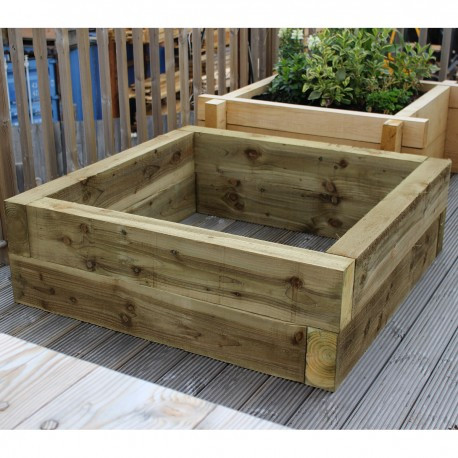 How to Build A Raised Garden Bed: A Beginner's Guide
Read more
-
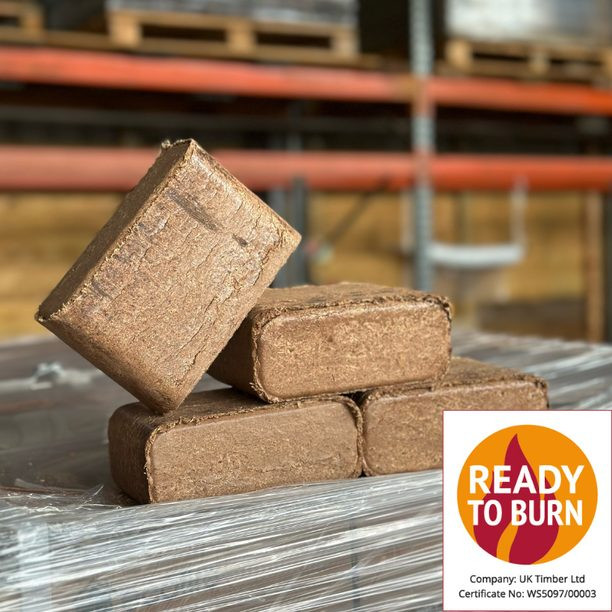 What are sawdust briquettes and are they the right product for your needs?
Read more
-
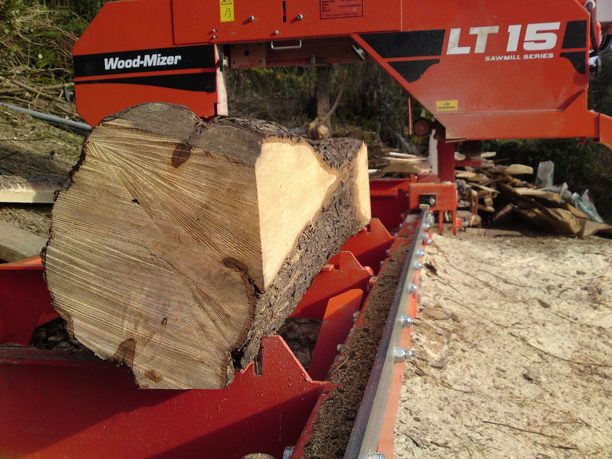 FSC® vs PEFC™ Certifications - What Do They Mean?
Read more
-
How to Measure for a Bespoke Oak Door
Read more
-
How to Plan a Pergola: Sizes, Post Spacing and Planning Permission
Read more